Senator Neda Imasuen pledges legislative support for marine development, commends Bayelsa’s blue economy initiative and calls for stronger protection of artisanal fishers across Africa.
Nigeria and other African countries with coastal territories must move beyond traditional dependence on oil and gas by investing strategically in their marine resources, Senator Neda Imasuen has declared.
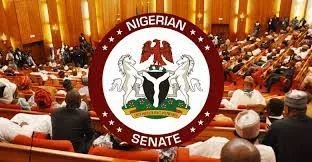
The senator, who represents Edo South Senatorial District and chairs the Senate Committee on Ethics, Privileges and Public Petitions, made the call while receiving a delegation of the Africa Blue Economy Roundtable (ABER), led by its Founder and Convener, Dr Piriye Kiyaramo, at the National Assembly in Abuja.
Imasuen described the blue economy as a major opportunity for economic diversification, employment generation, food security, tourism development and sustainable growth, urging African coastal governments to develop policies that would enable their populations to benefit more directly from marine resources.
He also pledged to champion the blue economy agenda within the Nigerian Senate, promising to facilitate engagement between ABER and relevant legislative committees to advance policies and institutional frameworks for sustainable marine development.
Senate to Champion Blue Economy Development
During the meeting, Imasuen identified several Senate committees that could support the proposed engagement, including those responsible for Marine Transport, Local Content, Judiciary, Human Rights and Legal Matters, the Niger Delta Development Commission, Science and Technology, and Environment.
He expressed willingness to promote legislative discussions capable of strengthening Nigeria’s marine economy and encouraging greater investment in coastal development.
The senator also accepted to serve as a Patron of the Africa Blue Economy Roundtable, signalling his support for the organisation’s Pan-African campaign for a connected, competitive and community-owned blue economy.
He commended Dr Kiyaramo for advancing conversations around Africa’s marine resources and the need for stronger collaboration between governments, private investors, development institutions and coastal communities.
According to Imasuen, the blue economy should become a strategic component of Africa’s economic development agenda rather than remain an underdeveloped sector with limited government attention.
Imasuen Commends Bayelsa’s Blue Economy Initiative
The senator particularly praised Bayelsa State Governor, Senator Douye Diri, for his commitment to developing the state’s marine and blue economy sector.
He described Bayelsa as the first Nigerian state to establish a dedicated Ministry of Marine and Blue Economy, urging other coastal states to consider adopting similar institutional arrangements.
Imasuen argued that creating specialised ministries and government agencies would provide the policy direction and administrative structure required to coordinate marine investments, protect aquatic ecosystems and develop coastal industries.
He maintained that the Niger Delta possesses considerable untapped economic potential, particularly in coastal tourism.
According to him, the region’s beaches, waterways and natural landscapes could support luxury beachfront hotels, recreational facilities and other tourism-related investments comparable to those found in established international coastal destinations.
He stressed that with appropriate planning, infrastructure and investment, the Niger Delta could become a major destination for marine tourism and related commercial activities.
Nigeria’s 853-Kilometre Coastline Presents Major Economic Opportunities
Imasuen identified Nigeria’s approximately 853-kilometre coastline as an important national economic asset that could support several industries beyond the traditional petroleum sector.
He also highlighted Edo State’s access to the Atlantic Ocean through its riverine corridor as an opportunity for expanding maritime commerce and coastal economic activities.
The senator identified five important areas requiring deliberate government investment:
1. Sustainable fisheries: Strengthening responsible fishing practices, protecting aquatic ecosystems and improving the productivity of fishing communities.
2. Aquaculture: Expanding fish farming and related businesses to improve domestic food production, create employment and reduce pressure on wild fish stocks.
3. Marine transportation: Developing waterways, ports, logistics infrastructure and coastal transport systems to support trade and regional connectivity.
4. Coastal tourism: Investing in beaches, hospitality facilities, recreational infrastructure and other marine tourism opportunities.
5. Mangrove conservation and blue carbon: Protecting mangrove ecosystems that support marine biodiversity, store carbon, protect coastlines and sustain the livelihoods of coastal populations.
He argued that these sectors could collectively create new economic opportunities while strengthening food security and climate resilience.
Protecting Artisanal Fishers Through Stronger Legislation
Beyond economic expansion, Imasuen emphasised the importance of ensuring that small-scale fishing communities are protected as Africa develops its marine economy.
He said the National Assembly was open to considering legislative measures that would safeguard artisanal fishers and ensure that coastal populations receive fair economic benefits from marine resources.
One of the specific priorities he highlighted was the enforcement of the five-nautical-mile Artisanal Exclusive Zone.
The measure is intended to protect traditional fishing grounds and reduce competition between small-scale fishers and larger commercial fishing operations.
Effective enforcement would help preserve access to marine resources for local fishing communities while supporting more sustainable fishing practices.
The senator also highlighted the need to improve women’s participation in the fishing value chain, particularly through ownership and access to cold-chain infrastructure.
Such facilities would enable women involved in fish processing and trading to preserve their products for longer periods, reduce post-harvest losses, improve product quality and increase their earning potential.
He maintained that inclusive marine development must recognise the economic contributions of women, young people and traditional fishing communities.
ABER Raises Alarm Over Illegal Fishing and the Blue Justice Gap
Earlier in the meeting, Dr Piriye Kiyaramo introduced the Africa Blue Economy Roundtable as a flagship initiative of the BRACED Tourism Promotion and Development Initiative.
He explained that ABER has a presence across the five geographical regions of the African Union and the African diaspora, with offices in New Jersey and California in the United States and a liaison bureau in Abuja.
The organisation promotes a Pan-African vision of a connected, competitive and community-owned blue economy, with emphasis on sustainable marine development and inclusive governance.
Kiyaramo also drew attention to what he described as the growing blue justice gap in the Gulf of Guinea.
He said more than 70 per cent of artisanal fishers reportedly venture into the sea without adequate safety equipment, exposing them to avoidable risks.
He further cited estimates that West Africa loses approximately $2.3 billion annually to illegal, unreported and unregulated fishing.
According to him, more than 90 per cent of fisherfolk reportedly lack access to legal assistance or appropriate channels for reporting violations affecting their livelihoods and fishing rights.
These challenges, he argued, demonstrate that Africa’s blue economy cannot develop sustainably without stronger maritime governance, effective law enforcement and adequate protection for vulnerable coastal populations.
Kiyaramo called for closer cooperation among African governments and regional institutions to address illegal fishing, improve maritime safety and ensure that marine resources generate greater benefits for coastal communities.
Women and Community Participation Central to Africa’s Blue Economy
Also speaking during the engagement, ABER Women’s Forum Director of Policy and Advocacy, Dr Ezeadili Appolonia Obiageri, and the organisation’s Director of Communication and Public Affairs, Hajiya Medina Dauda Nadabo, commended Imasuen for his willingness to support the blue economy agenda.
Their participation reinforced the importance of ensuring that women are represented in policy discussions and economic opportunities across the marine sector.
Women play significant roles in fish processing, preservation, distribution and coastal enterprise development, yet many continue to face limited access to finance, infrastructure, technology and decision-making platforms.
Addressing these constraints will be important to ensuring that the growth of the blue economy translates into wider economic participation.
A New Opportunity for Africa’s Coastal Economies
The engagement between Senator Imasuen and the Africa Blue Economy Roundtable comes amid growing calls for African countries to recognise their oceans, waterways and coastal ecosystems as strategic economic assets.
For Nigeria, the opportunities extend from fisheries and aquaculture to shipping, port development, tourism, marine conservation and coastal infrastructure.
However, unlocking this potential will require coordinated government policies, effective legislation, private-sector investment, scientific research and stronger regional partnerships.
The proposed legislative engagement between ABER and relevant Senate committees could provide an important platform for advancing these priorities in Nigeria.
Imasuen’s commitment to championing the agenda also highlights the growing importance of parliamentary support in translating blue economy ambitions into practical policies and institutional reforms.
Ultimately, Africa’s marine resources must become instruments of shared prosperity rather than remain underutilised assets or sources of environmental degradation.
The message from the Abuja engagement is clear: the future of Africa’s coastal economies will depend not only on how effectively governments exploit marine resources, but also on how sustainably they manage them and how equitably the resulting wealth is distributed.
For Nigeria and other African coastal states, the blue economy represents an opportunity to create jobs, strengthen food security, protect the environment and build a more diversified and resilient economic future.